Hand-Painted Wedding Clipart for Elegant Design Projects
There’s a specific feeling that the best wedding designs evoke—a blend of elegance, romance, and personal touch that digital assets often struggle to capture. In a world saturated with sleek, vector-based graphics, a hand-painted aesthetic brings a warmth and authenticity that truly resonates. For designers, stationers, and creative entrepreneurs, finding assets that convey this organic beauty is a constant pursuit. This is where a thoughtfully curated collection of illustrations becomes not just a tool, but a cornerstone for creating memorable, emotionally resonant work that stands apart in a crowded market.
The Allure of Hand-Painted Illustrations
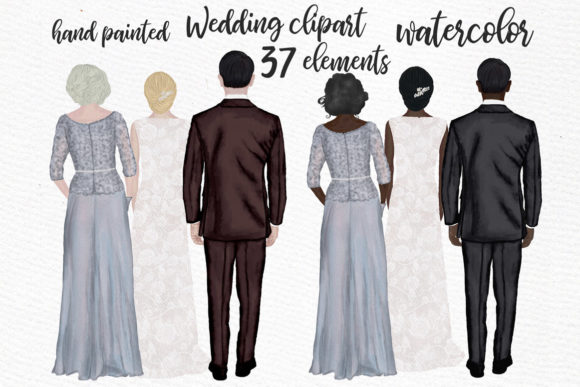
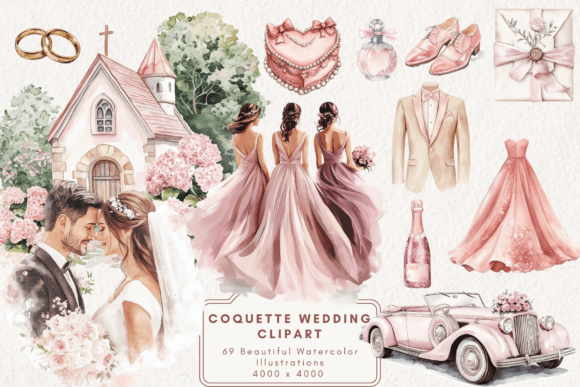
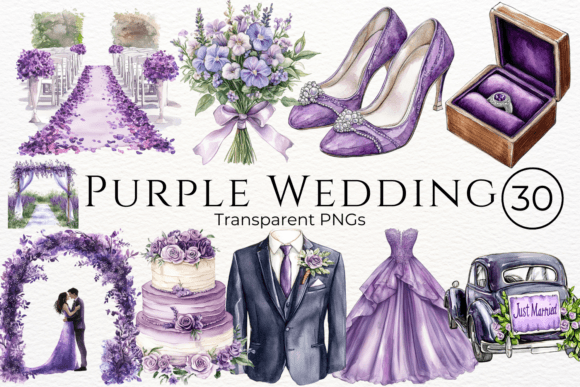
What sets a premium collection like this apart is its foundation in traditional artistry. Each element is a digital reproduction of an original hand-painted piece, capturing the subtle texture of watercolor, the gentle bleed of ink, and the imperfect charm that algorithms cannot replicate. This isn't just clipart; it's a toolkit of artistic elements designed to inject soul into your projects. The visual appeal lies in its versatility and authenticity. The soft, romantic color palette and delicate line work make it perfect for classic and modern aesthetics alike, providing a sophisticated alternative to overly stylized or cartoonish wedding graphics.
For a small business owner crafting a brand identity, or a designer developing a suite of wedding stationery, this style of illustration communicates care, quality, and a bespoke sensibility. It tells the viewer that every detail has been considered. The high-resolution 300 dpi files ensure that whether you're scaling an element for a large poster or shrinking it for a website favicon, the integrity and texture of the original artwork remain crisp and clear. This technical quality is non-negotiable for professional print and digital output.
From Invitation Suite to Brand Ecosystem
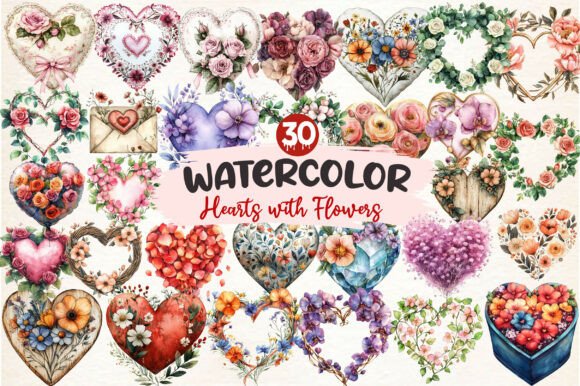
The true value of a versatile asset pack is realized in its application across multiple touchpoints, creating a cohesive visual story. Imagine starting with a wedding invitation where a delicate floral wreath frames the couple's names. That same wreath, or a simplified element from it, can become the cornerstone of a wedding website header, then transform into a pattern for table numbers, and finally appear as an elegant motif on thank-you cards. This creates a seamless, branded experience for the couple and their guests.
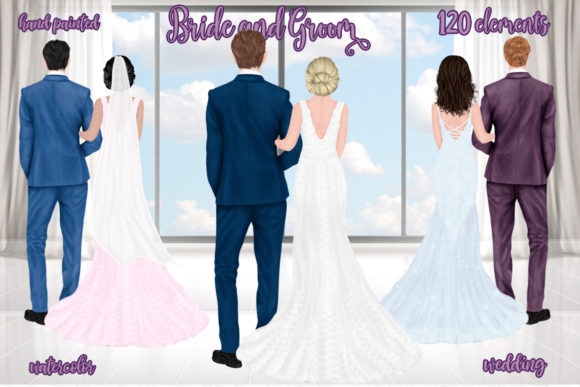
This principle extends far beyond a single wedding project. For entrepreneurs and marketers, these elements are powerful tools for building a recognizable brand identity. A bakery specializing in wedding cakes could use a floral spray to frame their logo on packaging and social media posts. A wedding planner might use the groom and bride illustrations as a recurring graphic in their blog content and proposal documents. The set becomes a library of visual vocabulary, allowing you to maintain perfect visual consistency across your website, blogs, social media graphics, and printed marketing materials. This consistency is fundamental to building brand recognition and projecting a professional presentation.
Practical Integration into Your Design Workflow
Integrating a new design asset effectively requires a bit of strategy. First, consider the overall mood of your project. The hand-painted style pairs beautifully with elegant serif fonts for a classic look, or with a clean, modern sans serif for a contemporary feel. Don't be afraid to experiment with font pairings; let the illustrations guide the typographic voice. For example, a flowing script font can complement the romantic nature of the clipart, while a sturdy serif can provide a grounded, readable counterpoint.
Next, think about layering and composition. These PNG files with transparent backgrounds are designed for flexibility. Use a full floral arrangement as a hero image, or break it apart to use individual leaves and buds as subtle accents. A single element can be used as a bullet point in a list, a divider between sections, or a watermark behind text. This kind of creative reuse is what transforms a good design into a great one, maximizing your investment and ensuring your work feels unique rather than templated.
Key Considerations for Commercial Use
When selecting any design asset for professional work, the licensing agreement is as important as the artwork itself. A clear commercial license is essential, as it defines how you can legally use the illustrations in products you sell, such as logo designs, merchandise, or digital templates. Always review the terms to ensure they align with your business model. This set, with its substantial collection of 120 elements, offers significant creative runway for diverse projects, from editorial layouts in magazines to packaging design for artisanal goods.
Finally, always test your designs in context. Place your invitation mockup on a styled photo. See how your social media graphic looks in a phone feed. Print a test page of your brochure. This practical step ensures the scale, color, and composition of the clipart work harmoniously with your other design elements, like typography and negative space. The goal is to create a balanced, engaging composition where the hand-painted art enhances the message without overwhelming it. By approaching these assets as a professional toolkit rather than a quick fix, you can elevate your creative output and deliver work that truly connects with your audience.