Bright Ideas: Using Wedding Watercolor Clipart for Every Project
There is a specific kind of magic in watercolor art that digital precision often struggles to replicate. It is the soft bleed of pigment into wet paper, the unpredictable texture of a brushstroke, and the organic imperfections that make a design feel human. For designers and creators working on projects ranging from wedding stationery to baby shower invitations, capturing that hand-painted aesthetic is often a top priority. This is where a high-quality digital asset collection becomes not just a convenience, but a creative necessity. A versatile set of watercolor elements provides the building blocks for countless designs, offering the charm of traditional art with the flexibility of modern digital workflows.
The Visual Appeal of Hand-Painted Elements
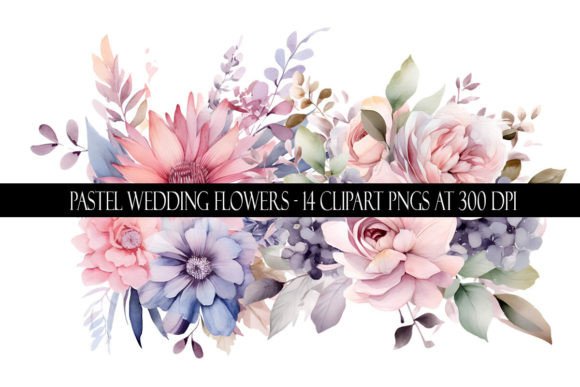
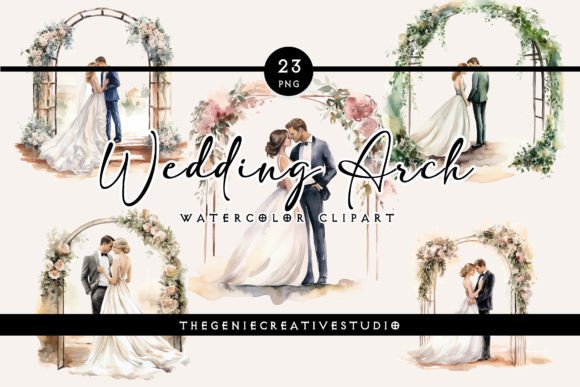
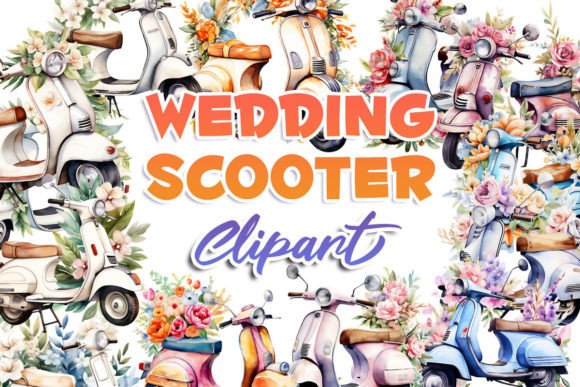
What makes watercolor clipart so universally appealing? The answer lies in its ability to convey emotion and personality instantly. Unlike flat vector graphics, watercolor textures add depth, warmth, and a sense of craftsmanship. A floral wreath rendered in watercolor feels romantic and timeless. A set of delicate leaves or berries can evoke a rustic, organic vibe. This style naturally draws the eye because it feels authentic and artistic, making it a powerful tool for anyone looking to create a memorable impression. Whether you are designing a logo for a boutique bakery or crafting social media posts for a lifestyle brand, these elements inject a touch of elegance and whimsy that resonates with audiences.
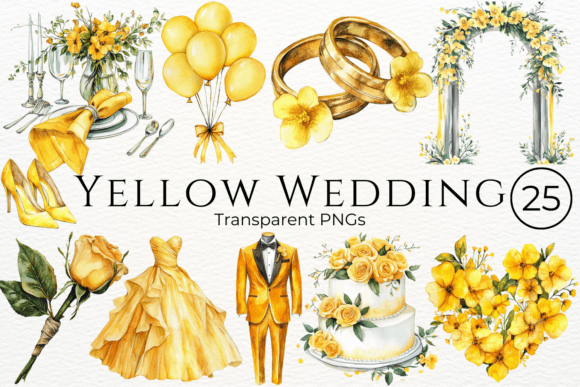
A comprehensive illustration set, particularly one offering individual PNG elements on a transparent background, is a designer's best friend. The transparency is crucial—it allows you to layer, overlap, and combine pieces without worrying about clashing white boxes or tedious masking. Imagine having a collection of 36 distinct components: blooms in various stages of openness, trailing vines, subtle background washes, and charming decorative accents. This modular approach empowers you to build a unique composition for every single project, ensuring your work never feels repetitive or templated.
From Digital Canvas to Physical Keepsake
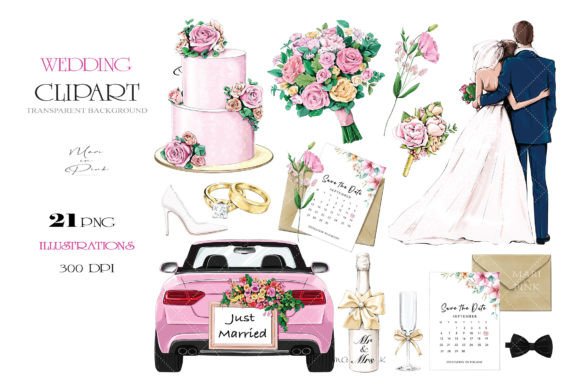
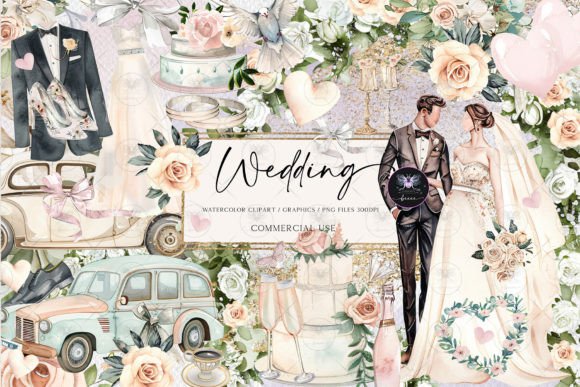
The true value of such a set is realized in its application across a staggering variety of mediums. For the wedding industry, these assets are indispensable. They form the foundation of cohesive wedding suites—from the initial save-the-date card to the day-of program and the thank-you notes. A designer can use a cluster of watercolor flowers to frame a couple's names on an invitation, then use the same floral elements to create a matching envelope liner or a wax seal stamp. This consistency builds a beautiful, unified narrative around the event.
Beyond weddings, the applications expand beautifully. Think of a baby shower: soft pastel watercolor animals or botanicals can adorn invitations, banner bunting, and even custom-printed napkins. For small business owners, these elements are gold. A yoga studio could use a subtle watercolor lotus to brand its class schedule, while a tea company might incorporate watercolor botanicals directly onto its packaging design and website graphics. The organic feel aligns perfectly with brands that emphasize natural ingredients, wellness, or artisanal quality.
For content creators and bloggers, this kind of asset library is a time-saver and a creative booster. Instead of searching for a new stock photo for every blog post, you can create a consistent visual theme using watercolor accents. Use a delicate floral border to frame a recipe photo, add a watercolor texture behind a pull quote, or design a series of cohesive Pinterest graphics. The high resolution (300 dpi) ensures these elements look crisp and professional, whether they are viewed on a retina screen or printed on a high-quality poster.
Practical Advice for Seamless Integration
When working with a new set of design assets, a little planning goes a long way. First, take inventory of the included elements. Organize them by type or color palette in your design software for quick access. This simple step will streamline your workflow significantly. Next, consider your project's overall brand identity. Watercolor clipart is versatile, but its personality should align with your message. A bold, saturated floral might work for a vibrant birthday party poster, while a muted, delicate leaf pattern could be better suited for a luxury spa's brochure.
Font pairing is another critical consideration. The playful, organic nature of watercolor art pairs wonderfully with a variety of typefaces. A elegant serif font can create a classic, sophisticated look for wedding invitations. A clean sans-serif font offers a modern contrast, letting the watercolor elements stand out as the primary decorative feature. For a more whimsical or handwritten feel, a script font can complement the artistic style beautifully. The key is balance—ensure your typography remains readable and doesn't compete with the visual complexity of the watercolor elements.
Finally, always be mindful of licensing. A set that includes a commercial license is essential for anyone using these assets in client work or for products intended for sale. It provides the legal freedom to incorporate the art into logos, merchandise, packaging, and digital products without concern. This peace of mind allows you to focus entirely on the creative process, knowing your work is built on a solid, professional foundation.
In the end, a well-curated collection of watercolor clipart is more than just a set of pretty pictures. It is a toolkit for storytelling. It enables you to craft visual experiences that feel personal, heartfelt, and uniquely tailored to every project's needs—from the grandest wedding album to the smallest social media graphic. By leveraging these assets thoughtfully, you can elevate your designs, strengthen your brand's visual language, and connect with your audience on a more artistic and emotional level.